Steel Jigs And Fixtures About
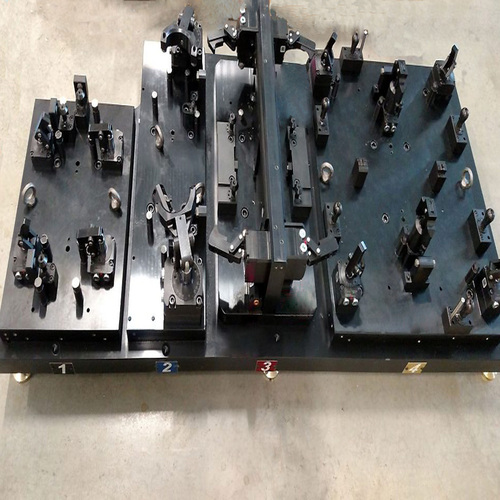
Steel jigs and fixtures are tools used in manufacturing and production processes to hold, support, or position parts during machining, assembly, or other operations. They are integral to ensuring precision, repeatability, and efficiency in the production of parts, especially in mass production or highly complex assembly lines.
Here a breakdown of what they are and how they are used:
Jigs:
- Function: A jig is a tool that holds and positions a workpiece in place during machining, drilling, or other processes. It may also guide the cutting tool (like a drill bit or mill) to ensure precise cuts or holes in the correct position.
- Key Feature: Jigs typically have built-in guides that direct the tool, ensuring that the workpiece is cut or drilled in the same position each time.
- Examples: A drilling jig, used to drill holes at precise locations on a workpiece, or a welding jig, which ensures parts are aligned before welding.
Fixtures:
- Function: A fixture holds the workpiece securely in place during machining or assembly operations. It does not guide the cutting tool like a jig but instead ensures the work piece is positioned correctly and does not move during the operation.
- Key Feature: Fixtures are often more complex than jigs, especially when they need to hold large or irregularly shaped parts.
- Examples: A fixture could be used in milling or CNC operations, where it holds the workpiece while a machine performs cuts or processes on it.
Steel Material Benefits:
Steel is commonly used for jigs and fixtures due to its strength, durability, and rigidity. The material can withstand heavy loads and forces during operations without deforming, which ensures high accuracy in the final product. Some of the benefits of using steel for these tools include:
- Strength and Rigidity: Steel can handle the stresses of holding large or heavy workpieces, making it ideal for high-force machining or heavy-duty assembly.
- Durability: Steel jigs and fixtures are highly durable and can last through thousands or even millions of cycles.
- Wear Resistance: Steel, especially alloy steels or hardened steel, can resist wear and tear from repeated contact with workpieces and tools.
- Thermal Stability: Steel retains its properties well under a wide range of temperatures, which is crucial for certain machining processes.
Types of Steel Used:
- Mild Steel: Often used for general-purpose fixtures where high strength is not as critical.
- Alloy Steel: Used for fixtures and jigs that need higher strength, hardness, and resistance to wear.
- Tool Steel: Used when extreme durability and hardness are required, especially in jigs or fixtures exposed to high-stress machining environments.
Applications:
- Precision Machining: Steel jigs and fixtures are commonly used in CNC machining, turning, drilling, grinding, and milling operations to maintain accuracy and repeatability.
- Welding and Assembly: In industries like automotive manufacturing, steel jigs and fixtures help ensure precise alignment and positioning during welding or assembly processes.
- Mass Production: For industries that rely on high-volume manufacturing, steel jigs and fixtures help produce parts at scale with consistent quality.
Are you considering using jigs and fixtures in a particular project or industry? Let me know, and I can offer more tailored info!
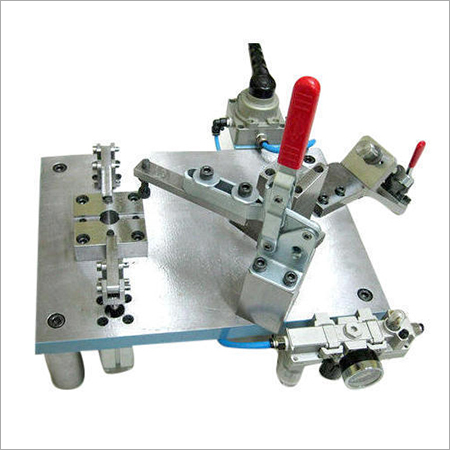
Engineered for Industrial PerformanceOur Steel Jigs and Fixtures are purpose-built for rigorous industrial usage. With a combination of strong steel and lightweight aluminum, they deliver durability without compromising precision. The black finish provides a professional look while adding an extra layer of corrosion resistance. These fixtures are suitable for a wide range of manufacturing and assembly processes across various industries.
Manufacturing Excellence from IndiaAs a reputable manufacturer and supplier based in India, we focus on delivering high-quality industrial solutions. Each jig and fixture undergoes stringent quality checks to meet both domestic and international standards. Our standard-sized fixtures are readily available to streamline your procurement process, backed by responsive customer support and a comprehensive 1-year warranty.
FAQ's of Steel Jigs And Fixtures:
Q: How are the Steel Jigs and Fixtures with aluminum components used in industrial settings?
A: These jigs and fixtures are primarily utilized to secure workpieces during manufacturing and assembly processes, ensuring precision and repeatability. Their adaptable design makes them suitable for tasks such as drilling, welding, and assembling various components in an industrial environment.
Q: What materials are used in the construction of these Steel Jigs and Fixtures?
A: Our fixtures are constructed mainly from robust steel, with select aluminum components to optimize strength while reducing overall weight. This combination ensures both resilience and ease of handling in demanding industrial applications.
Q: When should I consider using these jigs and fixtures in my production process?
A: It is advisable to incorporate these jigs and fixtures whenever you need to achieve consistent accuracy and repeatability in repetitive industrial tasks. They are especially beneficial when manual errors can impact product quality or operational efficiency.
Q: Where are these Steel Jigs and Fixtures manufactured and supplied from?
A: All our jigs and fixtures are manufactured and supplied from our facility in India, ensuring local expertise and prompt delivery across the region and beyond.
Q: What is the manufacturing process involved in creating these jigs and fixtures?
A: The production involves precision machining of steel and aluminum parts, followed by careful assembly to meet standard size requirements. Each piece undergoes rigorous testing for durability and accuracy before being finished with a protective black coating.
Q: How does the black color finish benefit the product?
A: The black finish not only offers a sleek and professional appearance but also serves as an extra layer of protection against corrosion and surface wear, enhancing the longevity of the fixtures in industrial environments.
Q: What advantages do these jigs and fixtures bring to industrial users?
A: By using these fixtures, industrial users benefit from improved workflow efficiency, minimized setup times, enhanced accuracy, and reduced errors, leading to consistent product quality and increased overall productivity.





 Send Inquiry


 Send Inquiry
 Send Inquiry
 Send SMS